
Key takeaways
- Outbrain is a native ad network: paid headline-and-image links shown in recommendation spots on publisher sites.
- Your ad is only a thumbnail and a headline. The page it opens does most of the selling.
- Cost depends on bids, competition, targeting and how often people click. Any figure quoted without that context is not very useful.
- Reviews of Outbrain often blame the network for problems that come from the landing page or the angle.
- Test several angles, each with its own advertorial, instead of one ad pointing at a product page.
If you run paid social, you know the pattern: a person is scrolling, and your ad interrupts them. So what is Outbrain, and how is it different? Outbrain is a native ad network. Instead of interrupting a feed, it places your ad in the "you may also like" spots on news and content sites, where it looks like the recommended articles around it. For a DTC brand that depends on Meta, it is a second place to find new customers. This guide explains how it works, what drives cost, how to read reviews, and how to run a first test without wasting budget.
How Outbrain works
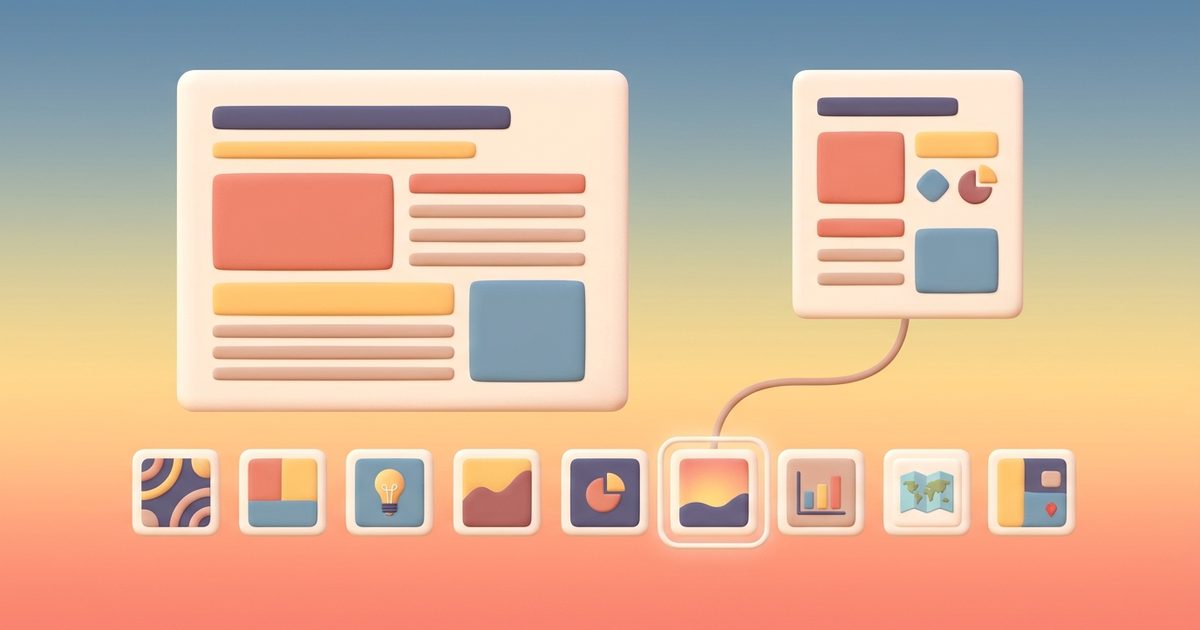
Outbrain is a native advertising network. It places paid links, each made of a headline and thumbnail image, in recommendation widgets and feeds on publishers' websites. Advertisers pay to send readers to a page of their choice, usually an article-style page, and the network decides which ads show where through an auction.
There are two sides. Publishers (news sites, magazines, content sites) add Outbrain's widgets to their pages. Advertisers like you buy placement in those widgets. Outbrain sits in the middle and decides which ad appears for which reader.
A native ad takes the form of the content around it. On Outbrain that means a small image and a headline, often with the advertiser's name. There is no banner and no video player. The reader sees something that looks like another article link.
What you actually set up
- A campaign with a budget and a bid. Native networks are generally bought per click, so you pay when someone clicks, not when someone sees the ad.
- Targeting, such as country, device type and the kinds of sites you want to appear on.
- Creatives: an image and a headline, several versions per campaign.
- A destination URL: the page the click opens.
How it differs from Meta
On Meta, people are in a social feed and the platform knows a lot about them. On Outbrain, people are in the middle of reading something. They did not come to shop. That changes what works. A hard-sell product ad often looks out of place. A page that reads like a useful article, and explains a problem before it mentions your product, tends to fit better. That kind of page is an advertorial, and we cover it in our guide to the [advertorial](/advertorial).
For the wider picture of how this category works, see What Is Native Advertising? The Complete Guide.
Outbrain cost: what drives it
No honest article can give you one Outbrain price. Cost per click and cost per sale move with several things, and quoting a number without them is noise.
- Your bid and the competition for the same placements. It is an auction, so more advertisers going after the same readers pushes prices up.
- Your click-through rate (the share of people who see the ad and click). A headline and image that earn clicks usually get better delivery.
- Targeting. Narrow country, device or site choices change both volume and price.
- Your product and margin. A brand with a high average order value can afford a higher cost per click than one selling a low-priced item.
- What happens after the click. A weak page makes every click more expensive in terms of what matters: cost per purchase.
So plan the test around your own numbers. Work out what you can pay for a new customer, then work backwards to what a click can cost. For a broader view of native pricing, read How Much Does Native Advertising Cost? and the Taboola pricing guide for a comparison point.
Outbrain reviews: how to read them
Most reviews of Outbrain are written by advertisers who tried it, did not get sales, and blamed the network. Sometimes that is fair. Often the cause is somewhere else. Before you let a review decide for you, look for what it does not say.
- Which page did they send traffic to? A product page with a Buy button is a very different test from an advertorial.
- How long did they run it, and did they test more than one angle?
- Did they judge it on last-click sales only? Native traffic often starts the journey, and people may buy later through another channel.
- Was the product a good fit for readers who were not looking to buy?
- Did they use the same creative they used on Meta?
A review that answers none of these tells you little. The reliable way to judge Outbrain is a small, structured test of your own, set up the way we describe below.
What matters for a DTC brand
The ad is a thumbnail and a headline
You do not get a long caption, a video or a button. The headline carries the message. The image has to make someone stop on a page they came to read for another reason. Headlines also have character limits that differ by platform, so check the current limits in the campaign tool before you write.
The landing page does the selling
A reader who clicked a curious headline is not ready for a checkout. The page needs to continue the story the headline started, then bring in the product. That is why DTC brands use advertorials here. See Advertorial Examples for what these pages look like.
Angles matter more than budget
An angle is a distinct reason to care: a different problem, audience or story. One product can have several. Because each angle needs its own headline and page, the number of angles you can test is limited by how fast you can build pages, not by media spend.
Compliance and disclosure
An advertorial is an advertisement laid out as an article. Label it clearly. Networks have editorial policies, and health or finance claims draw more scrutiny. Read the network's current policies before you write copy.
Outbrain or Taboola?
They work in similar ways, and many brands test both. We compare them in Taboola vs Outbrain. If you are starting with one, Taboola Ads: How They Work and How to Run Your First Campaign covers the other side.
How dependent is your brand on Meta?Get your Native Ads Readiness Score and Platform Dependency Score in 2 minutes. It is free.
Take the testHow Nativize builds Outbrain-ready advertorials
Nativize builds and runs native campaigns for e-commerce brands. This is the method it uses to make the pages that ads point to.
- It starts from the product page URL and reads the page itself, not a summary of it.
- It collects customer reviews from the product page and from review sites. It can also take competitor pages or free-text instructions, such as "mention the 30-day guarantee".
- From the page and reviews it pulls out customer pain points and the benefits people actually mention, in their own words.
- It proposes several marketing angles, normally five or more. Each angle becomes its own advertorial, so angles can be tested against each other.
- For the chosen angle, the advertorial is written as short sections: a headline, a one-line preview, the body and a closing call to action. Writing style and target reader are set before writing, not guessed.
- Headlines are generated in sets, graded, and only the strongest are kept. Each is checked against the character limit of the platform it will run on.
- Ad copy for Meta is audited for wording likely to cause policy problems before use.
- The product photo and logo are uploaded once per product and reused for every angle. Images are made or chosen per section so they support what the paragraph says.
- Layout is chosen separately from copy. The two most used are a sidebar layout and a centred layout with a sticky call to action. Brand colours come from the product page.
- Every page carries an "ADVERTORIAL" label bar at the top. Health products also carry a health disclaimer, only where it applies.
- The finished page is exported as a self-contained page and published on the advertiser's own domain. Tracking tags (Google Tag Manager, Meta Pixel, GA4 or your own script) are added only at export, so reviewing drafts never fires real tracking.
- Before publishing, a person can edit single paragraphs, so a small copy fix does not mean regenerating everything.
The output is a normal page on your own domain, which gives you a destination URL for any campaign. Nativize's batch process connects finished advertorials to Taboola campaigns.
A worked example: your first Outbrain test
Here is a made-up product, not a client case: a cast-iron skillet from an imaginary brand called Hearth & Ash. The steps are the same for your product.
- Pick one product with a clear problem it solves. For the skillet: people are tired of non-stick pans that wear out.
- Collect the raw material: the product page, customer reviews, and a competitor page. Note the exact phrases customers use.
- List the pain points and benefits in the customers' words. Group them into at least five angles, for example: replacing worn non-stick pans, cooking for a family on a budget, a pan to hand down, cooking without coated surfaces, and caring for cast iron without the fuss.
- Choose two or three angles to start. Pick ones that are clearly different from each other, so the test teaches you something.
- Write one advertorial per angle: headline, one-line preview, short body sections, closing call to action. Keep paragraphs short, because most readers are on a phone.
- Write a set of headlines per angle, drop the weak ones, and check the rest against the platform's character limits.
- Add the "ADVERTORIAL" label, upload the same product photo and logo to every page, and publish each page on your own domain.
- Add tracking at export, and test that a click records a visit and a purchase event.
- Create the campaign in Outbrain with one ad group per angle. Same budget per group, several headline and image variants in each, same targeting.
- Let it run long enough to compare. Judge each angle on cost per purchase and on how readers behave on the page, not only on clicks.
- Keep the best angle, cut the worst, and build new angles from what the winners show about your buyers.
Common mistakes
- Sending traffic straight to a product page. The reader came to read, not to shop.
- Reusing Meta creative unchanged. Native thumbnails and headlines work differently from social ads.
- Testing one angle, then deciding the network does not work.
- Changing many things at once, so you cannot tell what made the difference.
- Writing one long block of text. On a phone, nobody reads it.
- Hiding that the page is an ad. Label it clearly.
- Judging on last-click sales alone, when native often starts a journey that ends elsewhere.
- Ignoring tracking setup until after spend has started.
What to do next
Choose one product and decide what a new customer is worth to you. Write down five angles from your own reviews. Build pages for two or three of them, and run them side by side with the same budget. If you want a map of the other networks before you commit, see Best Native Ad Networks & Platforms for E-commerce Brands. If you would rather not build the pages yourself, Nativize does that work and runs the campaigns.
Frequently asked questions
What is Outbrain in simple terms?
Outbrain is a network that shows paid links, each a headline and a small image, in the recommended-content sections of publisher websites. You pay to send readers from those spots to your page.
Is Outbrain the same as Taboola?
They are separate companies but work in a similar way: both are native ad networks that place recommendations on publisher sites. Many brands test both. We compare them in Taboola vs Outbrain.
How much does Outbrain cost?
It depends on your bid, the competition, your targeting and how well your ads get clicked. There is no single price worth quoting. Work out what you can pay for a customer, then test to see where your cost per click lands.
Is Outbrain good for e-commerce?
It can be, if you treat it as a different channel from Meta. Brands generally do better sending traffic to an article-style page than straight to a product page. Test several angles before you decide.
Do I need an advertorial to use Outbrain?
No, but a page that reads like an article usually fits the context better than a product page. The reader is in reading mode, so a page that explains first and sells second matches what they expect.
Can I use my Meta ads on Outbrain?
Not as they are. Outbrain ads are a headline and a thumbnail, so you need to rewrite for that format and check the network's policies.
The bottom line
Outbrain is a place to reach readers who were not looking for you, and it works when the page they land on earns their attention. Test several angles with proper advertorials, and judge results on cost per purchase. Read reviews with care, because many describe a weak page, not a weak network.